Methane Zero

Seal the Wells. Stop the Leaks. Protect Our Future.

Methane Zero generates climate-positive credits by sealing abandoned and retiring aging oil and gas wells ahead of schedule. Each project reduces harmful emissions, revitalizes local land, creates new jobs, and improves the health of nearby communities.

Clean air. Stronger communities. Real climate action.

Local, Scalable Climate Projects

Focus

Methane Zero targets one of the most under-recognized sources of climate pollution: marginal and abandoned oil and gas wells. Research from the Environmental Defense Fund (Environmental Defense Fund) and the United States Environmental Protection Agency (Environmental Protection Agency) shows that these wells contribute less than five percent of total production yet emit more than half of all methane from oilfields.

Methane’s potency makes this an urgent focus. It traps twenty-eight to thirty-four times more heat than carbon dioxide over a twenty-year period, according to the Intergovernmental Panel on Climate Change (Intergovernmental Panel on Climate Change). Addressing emissions from these neglected wells is one of the fastest and most cost-effective strategies to slow global warming.

High Integrity Credits

Methane Zero works with landowners, regulatory bodies, and environmental experts to safely retire low-production wells before they become high-risk emitters. Each project is verified using rigorous standards and scientific methodologies, including the Oil Climate Index Plus framework developed by the Rocky Mountain Institute.

The result is high integrity, independently verified carbon credits that represent permanent emission reductions. These credits create measurable co-benefits such as cleaner air, healthier soil and water systems, restored habitats, and new employment opportunities in restoration and environmental monitoring. Because marginal wells contribute minimally to the national energy supply, early closure has almost no effect on energy security.

Lasting Climate Impact

The potential scale of impact is significant. Decommissioning marginal wells across the country could prevent more than one and a half billion tons of carbon dioxide equivalent emissions every year. This is comparable to converting every vehicle in the United States to electric power, installing solar panels on every American home, and doubling the nation’s wind power generation capacity.

Beyond measurable emission reductions, these projects support several United Nations Sustainable Development Goals by promoting cleaner energy, stronger communities, and long-term environmental resilience.

Methane Zero’s mission is to turn neglected infrastructure into measurable climate progress that is guided by science, verified through data, and executed with complete accountability.

Our Impact

At Methane Zero, credibility defines everything we do. Each project undergoes independent verification and registration to produce high-integrity carbon credits that ensure measurable, transparent, and lasting climate results.

Our methodology aligns with leading international standards and registries, giving buyers full confidence in the quality and traceability of every credit. All Methane Zero projects adhere to globally recognized frameworks, including the Open Carbon Protocol (www.ocp.earth), ensuring that every credit represents genuine additionality and contributes directly to real-world decarbonization goals.

Methane Zero provides more than offsets, we deliver verified impact that supports credible progress toward net zero.

Our Impact

The Orphaned Well Problem

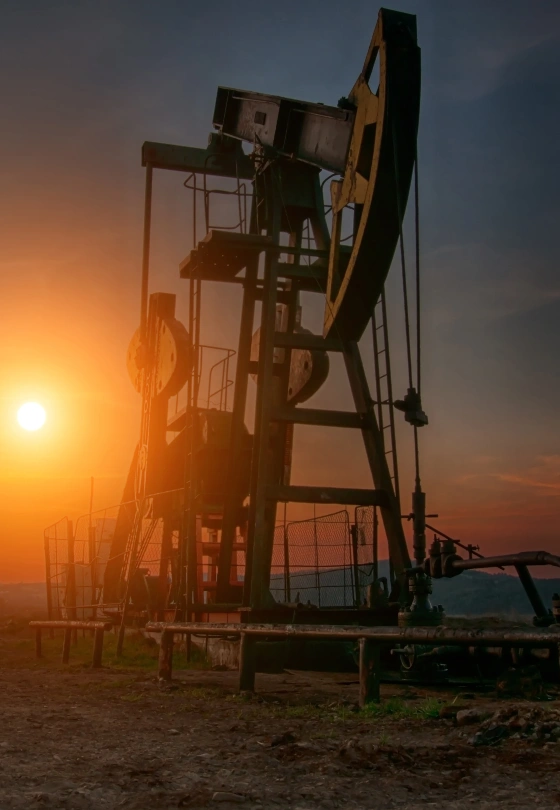
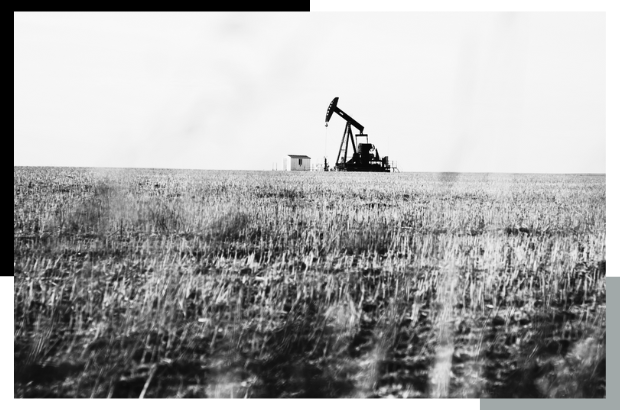
Across the United States, millions of Americans live within a mile of an orphaned oil and gas well. These wells are inactive, unplugged, and abandoned by insolvent operators. With no responsible party of record, they fall under government care and are often left in disrepair. The result is widespread environmental damage: leaking pollutants into the air, degrading soil quality, threatening ecosystems, and putting human health and community safety at risk.

One of the most urgent concerns is methane leakage. Methane is the second largest contributor to climate change, with a warming impact 28 times greater than CO₂ over a 20-year period. These orphan wells are a major source of uncontrolled methane emissions, alongside rusted equipment and toxic hazards that scar the landscape and endanger wildlife.

The scale of the problem is immense. According to the U.S. Environmental Protection Agency, millions of wells require plugging, with millions of metric tons of CO₂-equivalent gases escaping into the atmosphere each year. This makes orphan wells one of the most critical challenges and opportunities for meaningful climate action.

At Methane Zero, we are committed to tackling this challenge head-on. By prioritizing methane abatement and working with partners across sectors, we aim to transform these neglected sites from legacy hazards into opportunities for environmental repair and community resilience.

The Methane Zero Solution

At Methane Zero, we transform abandoned and marginal oil and gas wells from environmental risks into drivers of climate restoration and community renewal. Our integrated model combines well closure, land restoration, and verified carbon credit generation, creating a scalable cycle of measurable impact.

The outcome: lasting climate progress, revitalized ecosystems, and communities that benefit from cleaner air, healthier land, and renewed economic opportunity.

FAQ's

What are orphan wells?

Orphan wells are inactive and unplugged oil or gas wells abandoned by insolvent operators. With no responsible owner, they fall under government oversight and are often left in disrepair. As a result, they leak methane and other pollutants into the air, contaminate groundwater, damage ecosystems, and pose serious risks to nearby communities.

A carbon credit represents the reduction or removal of one metric ton of carbon dioxide (CO₂) or its equivalent in greenhouse gases (CO₂e). These credits allow organizations to offset their carbon footprint while supporting verified climate projects.

The voluntary carbon market (VCM) enables companies and individuals to purchase carbon credits outside of regulatory requirements. With more organizations committing to net-zero targets, the VCM is growing rapidly. Investing in high-quality projects like Methane Zero allows buyers to meet climate goals while directly reducing greenhouse gas emissions.

A carbon project is an initiative designed to reduce or remove greenhouse gases from the atmosphere. For credits to have real value, projects must deliver permanent, additional reductions that are verified by trusted third-party registries.

Methane abatement refers to efforts that directly reduce methane emissions across the oil and gas value chain. Methane is the second-largest contributor to climate change and is 28 times more potent than CO₂ over a 20-year period. With millions of unplugged wells leaking greenhouse gases every year, methane abatement is one of the fastest and most effective ways to slow global warming.

If you suspect an orphan well on your land, please reach out to Methane Zero directly. Our team will help assess the situation and explore solutions.

Co-benefits are the additional environmental and community advantages that result from a project beyond emissions reduction. At Methane Zero, our work not only prevents methane leaks but also restores degraded land, improves air quality, supports biodiversity, and strengthens local communities.

The SDGs are a set of 17 global goals established by the United Nations to promote peace, prosperity, and environmental protection by 2030. Methane Zero contributes to these goals by cutting methane emissions, restoring ecosystems, improving community health, and driving economic resilience.

Be part of the solution.

Discover our projects and see how you can help Methane Zero cut methane emissions at the source, creating lasting climate impact and stronger communities.